The Immunotherapy Empowers the Immune System to Defeat Alzheimer’s Disease and Retard Brain Aging
Introduction
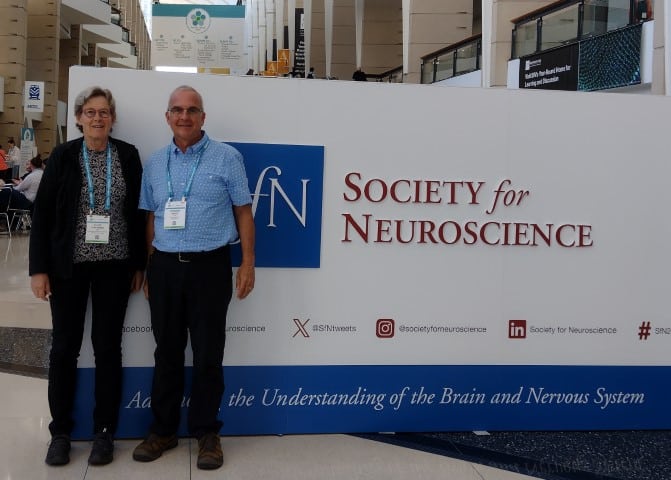
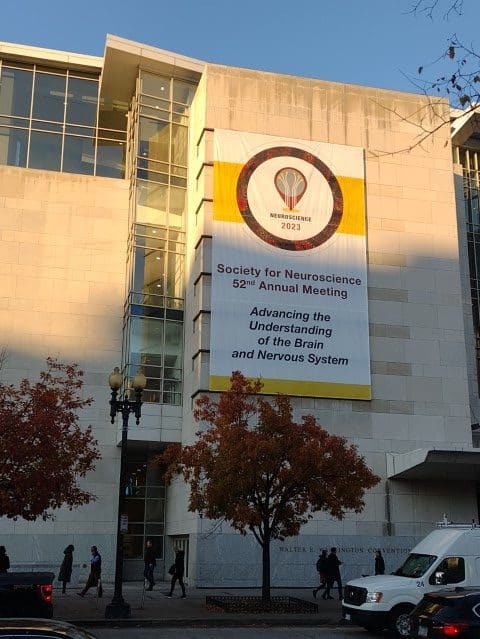
A special lecture in the on demand content of the 2025 Virtual Component of SfN2025 is the lecture in the title of this news article. The concept of the brain-immune ecosystem, developed by Dr. Michal Schwartz and her team at the Weizmann Institute of Science fundamentally changes our understanding of how the brain interacts with the immune system and I am thrilled to share it with you.
Old paradigm of the immune system in the brain
Traditionally, the brain was thought to be an immune-privileged organ, largely isolated from the peripheral immune system.
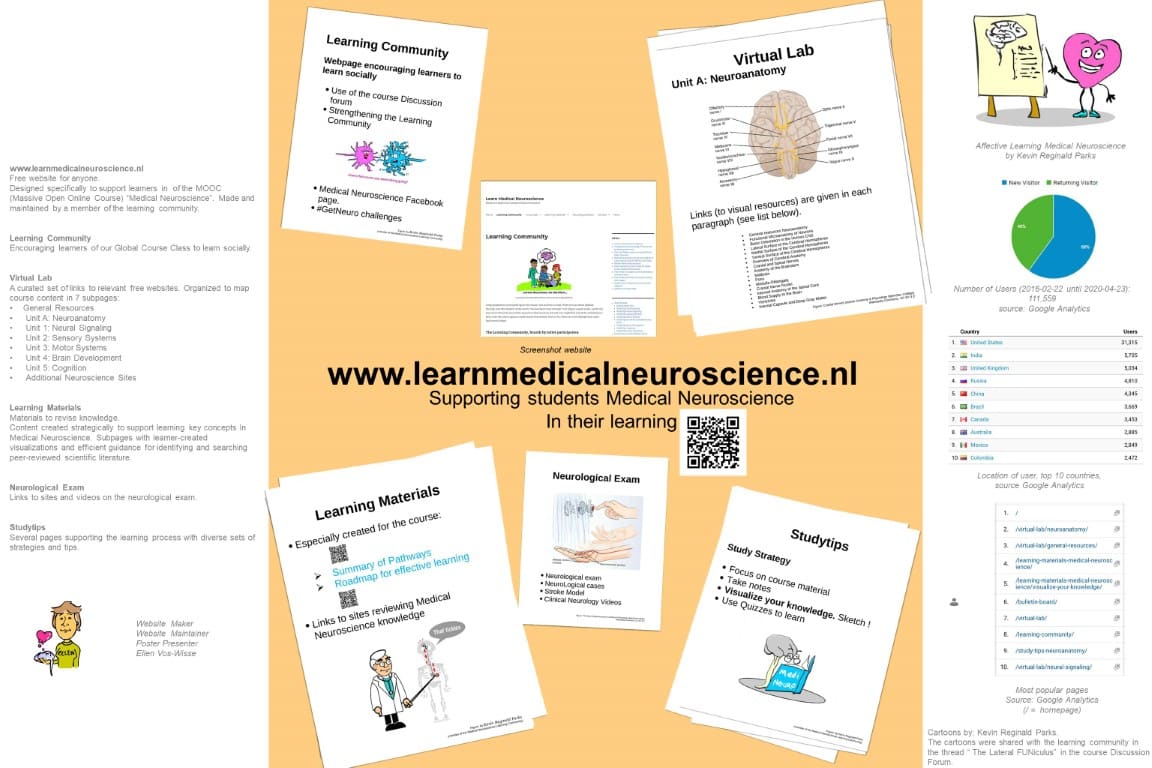
The blood brain barrier was thought to keep the white blood cells, which belong to the immune system and are the body’s main lines of defence, out of the brain. In the brain we find the microglia. [See this website, Unit A: Neuroanatomy, Non-Neural Cells of the Central Nervous System (CNS), and then select “Neuroglia and the Brain” for an overview of glia cells in the brain, including microglia.] When the microglia encounter diseased or damaged cells they ingest and digest those cells or the pathogens that cause disease. The internal immune system of the brain was thought to be completely distinct from the body’s immune system with microglia acting as the brain’s immune sentinels.
The new understanding of the brain immune system
Recent findings indicate that there is a dynamic relationship between the brain and immune cells, particularly at the brain’s borders, which suggests a collaborative ecosystem essential for maintaining brain health and functionality. See: Swartz et al (2022). The brain-immune ecosystem: Implications for immunotherapy in defeating neurogenerative diseases
Collaborative ecosystem
-
- Immune Cell Roles
Immune cells, especially monocyte-derived macrophages, are crucial for maintaining and repairing the central nervous system (CNS). They help reduce inflammation and support recovery from injuries. These cells are part of both the adaptive and innate immune systems and are not separate from the brain. - Permeability and Communication
The interactions between the brain and immune cells occur at selective interfaces, such as the choroid plexus. These areas not only regulate the entry of immune cells but also facilitate communication between the CNS and the immune system. See Figure 1. - Chronic conditions
Chronic brain conditions, like neurodegenerative diseases, need continuous support from the immune system. Boosting overall immunity can help the brain heal itself by blocking immune checkpoints. This is being tested in clinical trials for Alzheimer’s disease.
- Immune Cell Roles

The CP and the meninges constitute the brain’s borders and harbor immune cells that not only defend the CNS against insults but also interact with it and regulate its functions. These barriers are immersed in the CSF and can release immune mediators to this milieu that can drive immune cell recruitment to the CNS and modulate immune function. The CSF can drain to the lymphatic system through the meningeal interface, where circulating immune cells can be “educated” to respond to CNS-derived antigens. This ecosystem can be manipulated using immunotherapeutic approaches to help the immune system cope with disease. CNS, central nervous system; CP, choroid plexus; CSF, cerebrospinal fluid.
From: Swartz et al (2022). The brain-immune ecosystem: Implications for immunotherapy in defeating neurogenerative diseases.
Implications for Immunotherapy
The brain-immune ecosystem has significant implications for the development of immunotherapies targeting neurodegenerative diseases.
-
- Modulation of the Ecosystem
We can create treatment strategies to adjust this ecosystem for better disease management. For example, boosting immune responses might help fight neurodegeneration. - Research Directions
Future research will focus on how to manipulate immune-brain interactions to effectively prevent or treat neurodegenerative disorders. Understanding these processes could lead to new treatments that enhance immune resilience
- Modulation of the Ecosystem
Conclusions
The discovery of the brain-immune connection changes how we understand neuroscience and immunology. It shows that by adjusting the immune system, we can greatly improve brain health. This could lead to new treatments for lasting neurological issues.